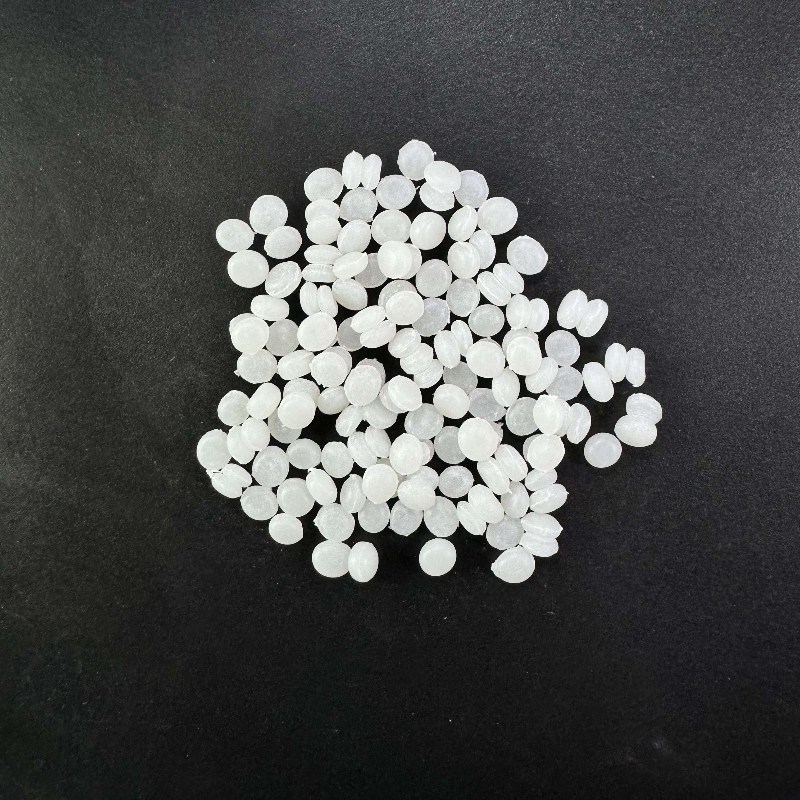
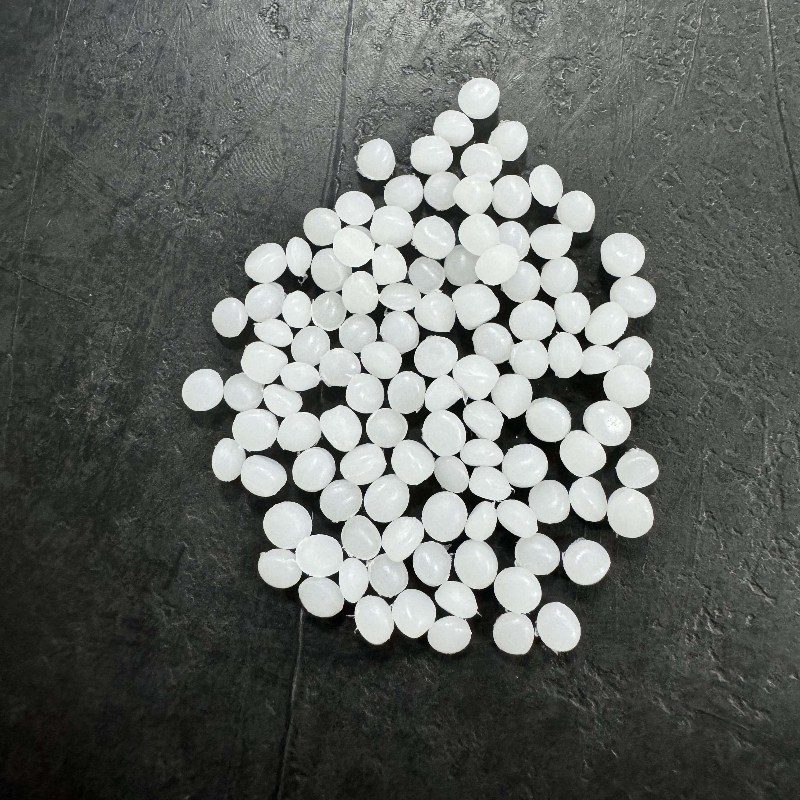
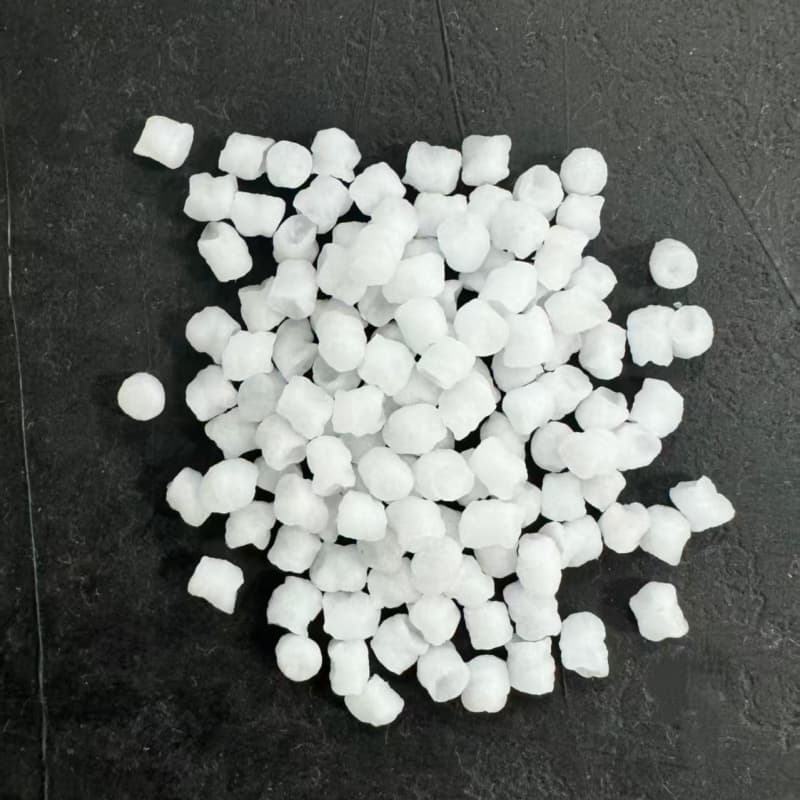
Main Products

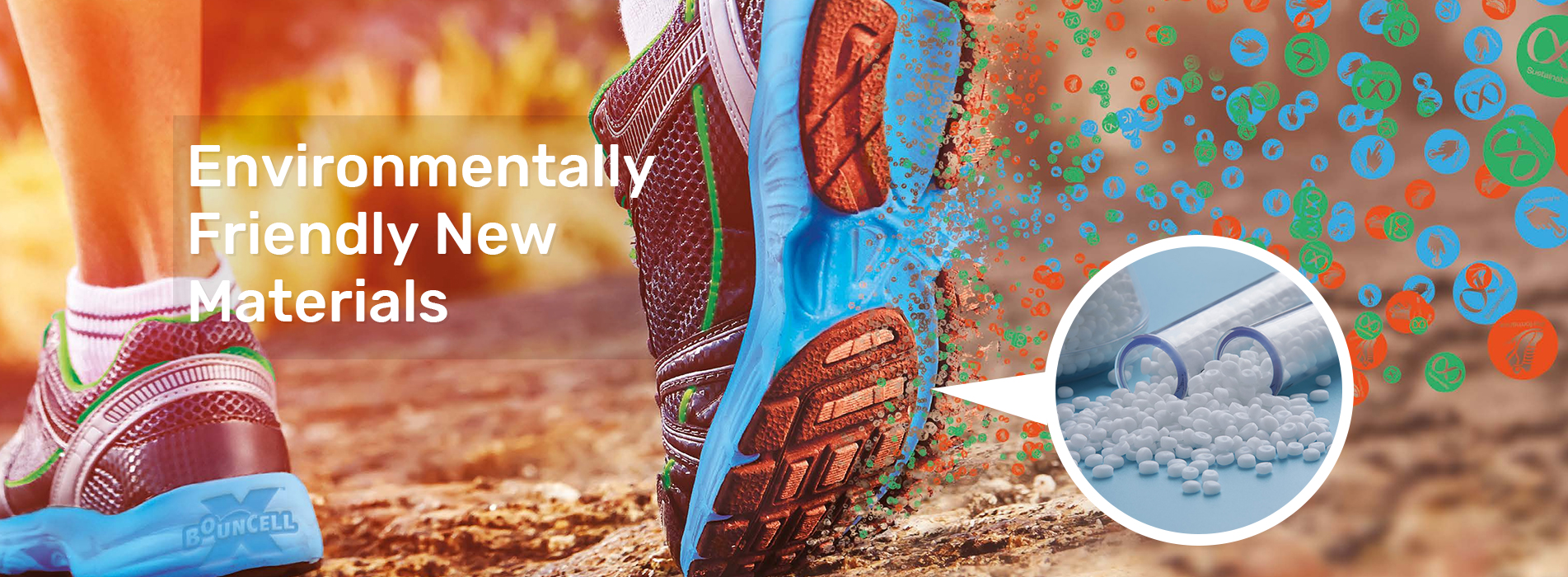
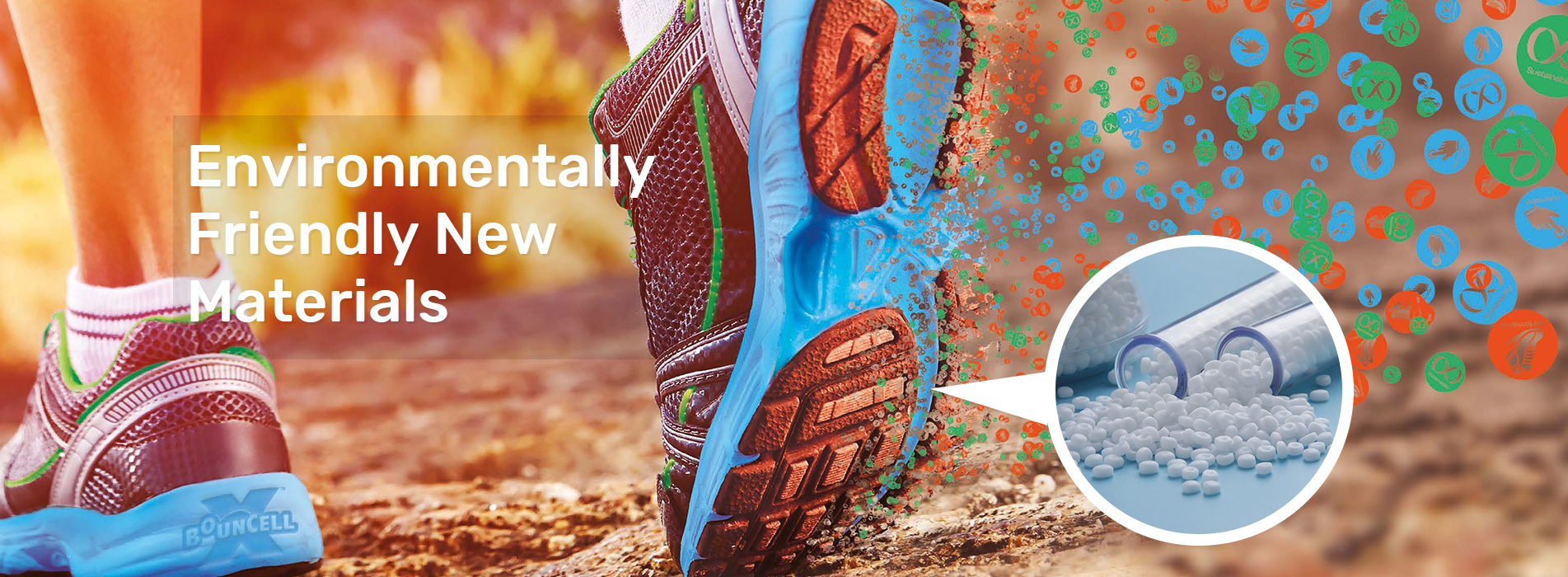
We are committed to advocating for reducing the burden on the earth and promoting the recycling of environmentally friendly new materials.

Application

We are committed to advocating for reducing the burden on the earth and promoting the recycling of environmentally friendly new materials.
  • Applications of TPR Soles in Modern Footwear

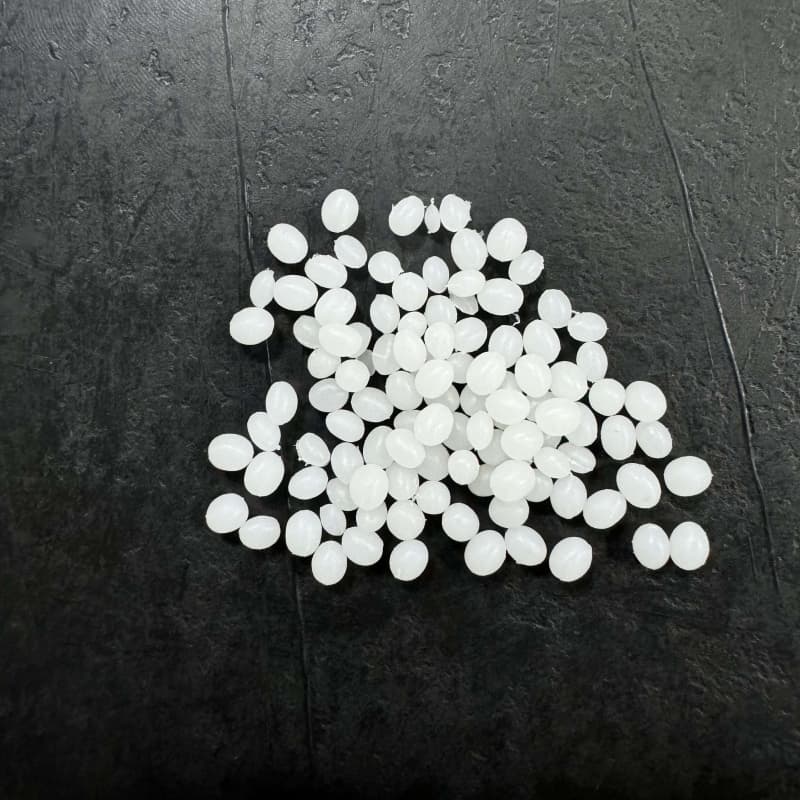
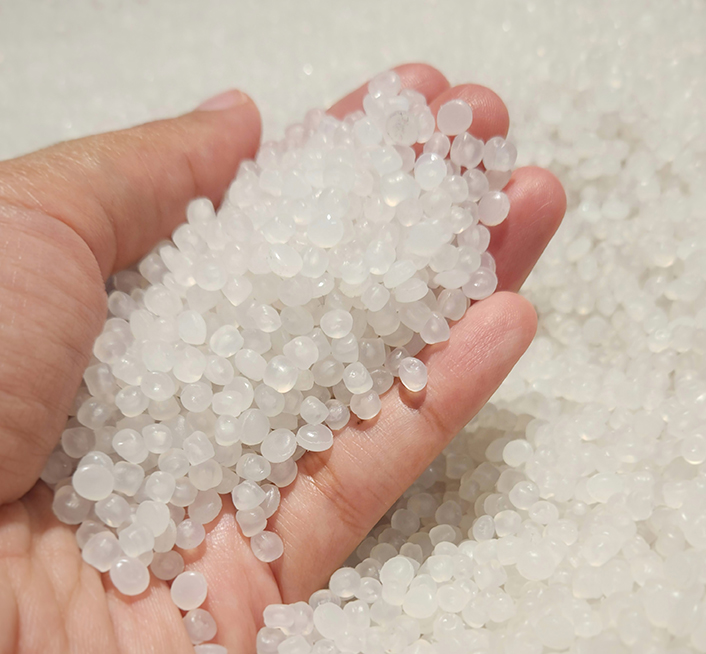
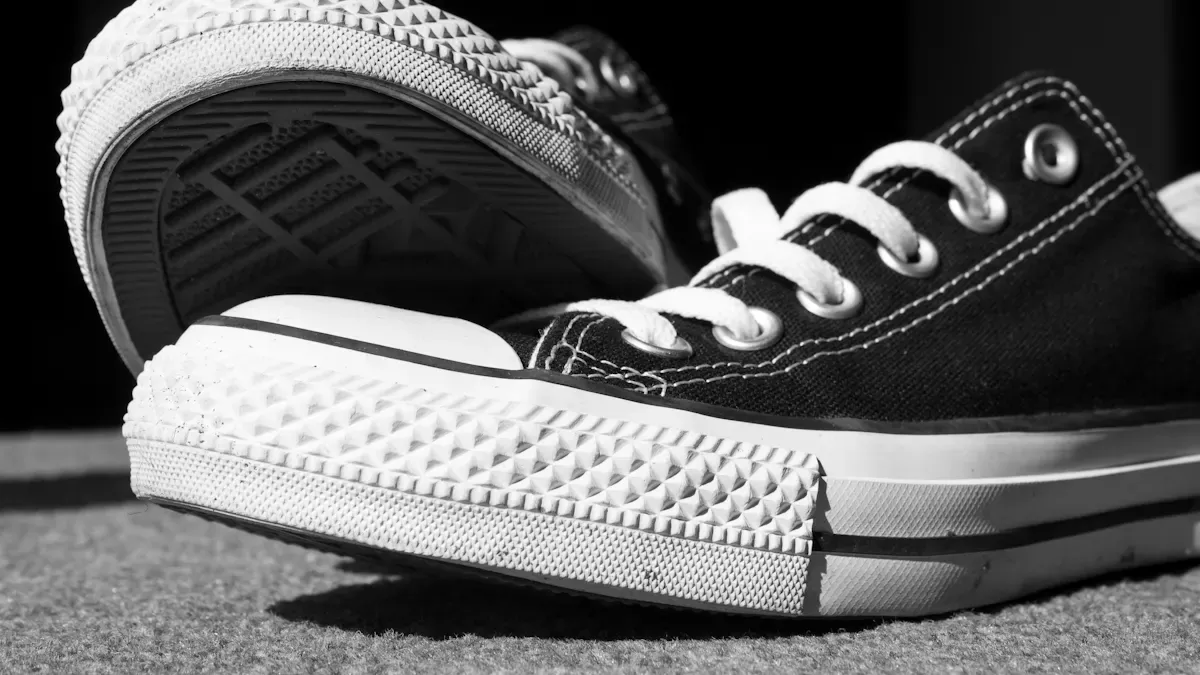
    Thermoplastic Rubber (TPR) soles have emerged as a versatile solution in footwear manufacturing, combining the flexibility of rubber with the processing advantages of plastics. As a cost-effective alternative to traditional vulcanized rubber, TPR soles offer unique benefits that make them suitable for various footwear categories. Their balanced properties of durability, traction, and ease of production have secured their position in both mass-market and specialized footwear segments.   1. Children's Footwear: Safety and Comfort Combined In children's shoe manufacturing, TPR soles are particularly valued for their flexibility and slip-resistant properties. The material's inherent shock-absorption characteristics help protect developing feet during active play, while its lightweight nature prevents fatigue. TPR's excellent grip on multiple surfaces reduces fall risks, making it ideal for school shoes and everyday children's footwear. The material's ability to be produced in bright colors through simple molding processes also appeals to the children's market segment.   2. Fashion and Casual Footwear: Aesthetic Versatility For fashion-forward footwear, TPR soles provide designers with numerous creative possibilities. The material can be easily molded into various textures and patterns, allowing for unique sole designs that complement upper materials. Unlike some rubber compounds that may yellow over time, high-quality TPR maintains its appearance throughout the shoe's lifespan. This characteristic, combined with good abrasion resistance, makes TPR a preferred choice for casual shoes that require both style and functionality.   3. Indoor and Athletic Footwear: Performance at a Value In gym and indoor sports shoes, TPR soles offer an optimal balance of traction and cushioning. The material provides sufficient grip for lateral movements while maintaining flexibility for natural foot flexion. For budget-conscious fitness enthusiasts, shoes with TPR soles present an affordable alternative to premium rubber compounds without significant performance compromise in indoor environments. The material's consistent performance across temperature variations ensures reliable traction in different indoor conditions.   4. Economical Footwear Solutions: Mass Production Advantages The footwear industry frequently utilizes TPR soles in value-priced products due to their manufacturing efficiencies. The thermoplastic nature of TPR allows for faster production cycles compared to traditional rubber vulcanization, significantly reducing costs. This processing advantage enables manufacturers to produce large quantities of durable footwear at competitive price points, making quality shoes accessible to broader consumer markets. The material's recyclability also aligns with growing sustainability initiatives in the industry.   TPR soles continue to play a vital role in global footwear production by offering an optimal combination of performance, aesthetics, and cost-effectiveness. From children's first shoes to budget-friendly fashion footwear, TPR provides reliable solutions that meet diverse market needs. As material science progresses, TPR formulations will likely evolve to address emerging industry demands, ensuring their relevance in future footwear innovations. The material's balance of practical benefits and manufacturing efficiencies guarantees its continued importance in both mass-market and specialized footwear segments. If you're interested in our products, please click www.yysolematerial.com.

  • Applications of Foam Soles in Modern Footwear

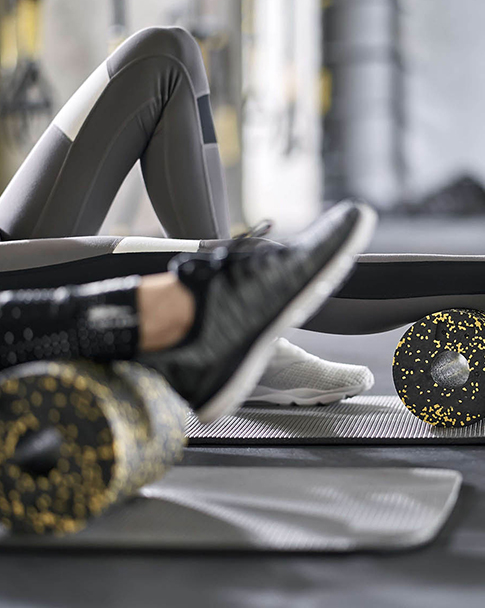
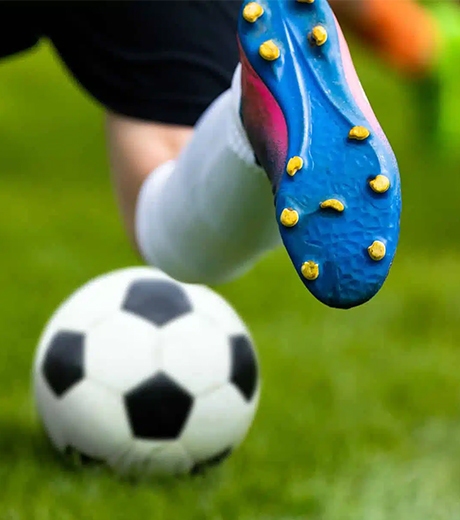
    Foam soles have revolutionized the footwear industry by offering lightweight cushioning, superior shock absorption, and enhanced comfort. Made from materials such as EVA (ethylene-vinyl acetate), Phylon, and PU (polyurethane), these soles cater to diverse needs—from high-performance sports to everyday casual wear. Their adaptability and energy-return properties make them a preferred choice across multiple footwear categories.   1. Running & Sports Shoes: Optimizing Performance Foam soles are widely used in athletic footwear due to their ability to absorb impact and reduce fatigue. In running shoes, EVA and Phylon foam provide a balance of softness and rebound, helping athletes maintain efficiency over long distances. Advanced foam compounds, such as compression-molded variants, offer improved durability while keeping the shoe lightweight. These materials are often engineered with specific densities to cater to different running styles, ensuring optimal support and energy return.   2. Sandals & Flip-Flops: Comfort for Casual Wear For open footwear like sandals and flip-flops, foam soles deliver a soft, flexible feel that molds to the foot’s shape. EVA foam is particularly popular in this category because of its buoyant, water-resistant properties, making it ideal for beachwear and summer footwear. The lightweight nature of foam also ensures that these shoes remain comfortable for extended wear, whether for leisurely walks or travel.   3. Slip-Ons & Orthopedic Footwear: Support and Relief In comfort and orthopedic shoes, foam soles play a crucial role in alleviating pressure on joints and improving gait. PU foam is often used in insoles and midsole layers due to its cushioning and long-term resilience. Some ergonomic designs incorporate memory foam for personalized arch support, making them suitable for individuals with foot conditions or those who spend long hours on their feet.   4. Skateboarding & Lifestyle Sneakers: Durability and Impact Resistance Skateboarding shoes and urban sneakers demand soles that can withstand repeated impacts while maintaining flexibility. Phylon and high-density EVA are commonly used in these applications because they offer a responsive feel without adding excessive weight. The foam’s ability to absorb shocks from jumps and tricks helps protect the wearer’s feet while ensuring stability during dynamic movements.   Foam soles have become indispensable in modern footwear, offering unmatched comfort, versatility, and performance. From high-intensity sports to therapeutic footwear, their applications continue to expand with advancements in material science. As sustainability and smart technology shape the future of footwear, foam soles will remain at the forefront of innovation, meeting the evolving demands of consumers worldwide.   If you're interested in our products, please click www.yysolematerial.com.

  • Applications of Rubber Soles in Modern Footwear

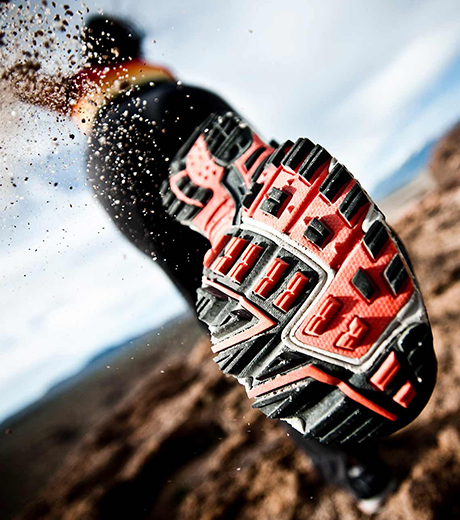
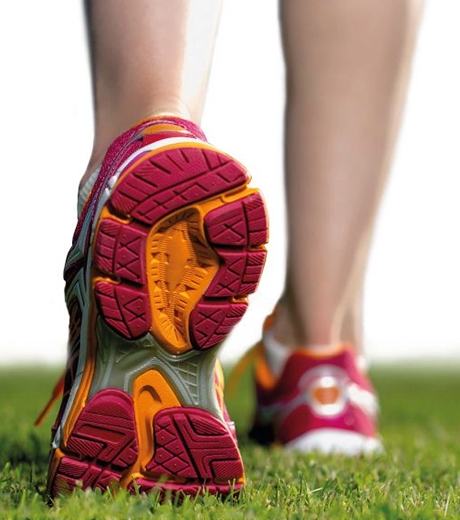
    Rubber soles are among the most essential components in footwear manufacturing, valued for their durability, flexibility, and superior traction. These soles are engineered to perform in diverse environments, making them suitable for everything from high-intensity sports to hazardous work conditions. Their adaptability ensures that they meet the demands of various industries while providing comfort and safety to wearers.   1. Athletic Footwear: Enhancing Performance Rubber soles play a critical role in athletic shoes, where grip and shock absorption are paramount. Different sports require specialized sole designs—deep treads for trail running, multidirectional patterns for court sports, and lightweight yet durable compounds for long-distance running. Advanced rubber blends, such as carbon-reinforced and blown rubber, are often used to optimize performance. These materials help reduce fatigue, improve stability, and extend the lifespan of sports footwear.   2. Industrial and Safety Footwear: Protection and Durability In demanding work environments, rubber soles provide essential safety features, including slip resistance, oil resistance, and protection against electrical hazards. Industrial boots often incorporate nitrile rubber or vulcanized rubber to withstand harsh chemicals and extreme temperatures. These soles are designed to meet strict safety standards, ensuring reliable performance in construction, manufacturing, and other high-risk occupations.     3. Outdoor and Hiking Footwear: Tackling Rough Terrain For outdoor enthusiasts, rubber soles are indispensable. Hiking boots and trekking shoes rely on rugged rubber compounds with deep treads to provide traction on rocks, mud, and wet surfaces. These soles are often paired with reinforced toe and heel areas to withstand abrasion and impact, ensuring long-lasting performance in challenging conditions.     Rubber soles remain a fundamental element in footwear due to their versatility, durability, and performance across various applications. From athletic and safety footwear to casual and outdoor shoes, they provide the necessary support, traction, and protection. As technology advances, rubber soles will continue to adapt, offering even greater functionality and sustainability to meet the needs of modern consumers.   If you're interested in our products, please click www.yysolematerial.com.

Promote The Recycling Of Environmentally Friendly New Materials
98.7% 5 Stars Feedback

Why Choose Us

We are committed to advocating for reducing the burden on the earth and promoting the recycling of environmentally friendly new materials.
  • Quality Control
    Quality Control

    We maintain a rigorous quality management system supported by our advanced testing and analysis laboratory. Every batch of material undergoes strict performance and consistency checks to ensure compliance with international standards and customer specifications.

  • Professional Team
    Professional Team

    Our R&D team possesses deep expertise in polymer science and material modification, continuously developing innovative solutions tailored to industry needs. Their technical proficiency enables us to address complex challenges in material applications effectively.

  • Service Orientation
    Service Orientation

    We prioritize customer success by offering comprehensive technical support, from formula design to problem-solving during production. Our collaborative approach ensures clients receive optimized materials and practical solutions for their specific requirements.

  • Environmental Friendly
    Environmental Friendly

    We actively promote sustainability through GRS-certified and bio-based materials, reducing reliance on virgin resources. Our eco-friendly products and processes align with global circular economy goals while maintaining high performance standards.

Our Latest News & Blog

We are committed to advocating for reducing the burden on the earth and promoting the recycling of environmentally friendly new materials.
27 April 2025 What Role Does Shrinkage-stoping Masterbatch Play in Industry
Shrinkage-stoping masterbatch helps makers control shrinking in materials. It is used during production. This special additive makes products better. It helps shapes stay correct and surfaces look smooth. Many industries use it to lower mistakes.   Shrinkage-stoping Masterbatch   What Is It Shrinkage-stoping masterbatch is a special additive for plastics and other materials. Makers put it into raw materials before making products. This masterbatch helps stop too much shrinking when things cool or set. If a product cools too fast, it might bend or get tiny cracks. Shrinkage-stoping masterbatch helps keep products strong and smooth.     Many industries use this additive. In the United States, companies must follow strict rules for plastics in cars, food packaging, and healthcare. For example, car makers need masterbatches that meet rules for recycling and being green. Some companies, like Cabot Corporation, make masterbatches with special certificates, like ISCC PLUS, to show they are safe and good for the earth.   Roles & Applications   Preventing Shrinkage Shrinkage-stoping masterbatch helps stop materials from shrinking. Makers add it to plastics during production. It controls how the plastic cools and sets. The masterbatch lets out gas and makes tiny cells inside the plastic. These cells help the product keep its shape and size. Products with this additive bend less and crack less. The masterbatch also makes surfaces smoother and stronger. Using shrinkage-stoping masterbatch keeps products safe in storage and shipping.   Product Quality   Shrinkage-stoping masterbatch helps products stay the right size and shape. It makes surfaces look and feel smoother. The masterbatch works with many plastics and only needs a little bit. This means products have fewer problems and last longer. It also helps products handle heat and pressure. Companies can meet tough quality rules and throw away fewer items. The footwear industry has widely adopted anti-shrinkage masterbatch in EVA formulations to improve product performance and manufacturing efficiency. This technology plays a crucial role in athletic footwear, where it enhances the dimensional stability of midsoles and other critical components during production and throughout the product lifecycle. Major sportswear brands have successfully integrated these advanced additives to achieve superior consistency in their premium performance footwear lines.   In casual and lifestyle footwear applications, anti-shrink masterbatch enables manufacturers to maintain precise product specifications while utilizing various EVA formulations. The technology proves particularly valuable for injection-molded and foamed components, where it helps minimize post-production deformation and ensures consistent product quality. These benefits have made it an essential solution for brands producing comfortable, durable everyday footwear.   The industrial and safety footwear sector benefits significantly from the enhanced durability provided by specialized anti-shrinkage additives. These formulations maintain their structural integrity under extreme temperature variations and demanding working conditions, making them ideal for protective footwear applications. The technology helps manufacturers meet rigorous international safety standards while delivering extended product service life.   Emerging applications continue to expand the use of anti-shrink masterbatch in footwear, including specialized medical footwear and sustainable product lines. The technology supports the development of wash-resistant orthopedic products and contributes to more environmentally friendly manufacturing processes. As footwear brands increasingly prioritize both performance and sustainability, anti-shrinkage solutions are becoming fundamental to innovative product development across all market segments. If you're interested in our products, please click www.yysolematerial.com.  
Read More
  • How Advanced Polymer Additives Are Transforming Footwear Soles for Better Performan
    09 February 2026 How Advanced Polymer Additives Are Transforming Footwear Soles for Better Performan
      Advanced Materials for Footwear Soles increase durability, improve oil resistance, and enhance comfort with modern polymer additives. Manufacturers use EVA for lightweight cushioning and energy absorption, while rubber compounds deliver strong traction and longevity. Polyurethane foam and EVA reduce impact on feet and joints. The following table shows measurable benefits:   Aspect Benefit Durability High traction and resistance to wear Oil Resistance Enhanced resistance to various substances Comfort Cushioning and reduced impact on feet and joints Sustainability Breathable mesh improves comfort and air circulation Key Takeaways Advanced polymer additives enhance footwear soles by improving durability, oil resistance, and comfort, making shoes last longer and feel better. Thermoplastic elastomers (TPEs) provide flexibility and exceptional cushioning, allowing for innovative designs and superior performance in footwear. Wear-resistant agents significantly increase the lifespan of shoe soles, reducing wear and maintaining appearance, which saves consumers money over time. Plastic foaming masterbatch reduces weight and improves energy return, leading to lighter, more comfortable soles that enhance user experience. Sustainable practices in footwear manufacturing, including the use of recyclable materials, help reduce environmental impact while maintaining high performance. Advanced Materials for Footwear Soles: Key Additives   TPEs and Their Benefits Thermoplastic elastomers (TPEs) have become a foundation for Advanced Materials for Footwear Soles. These materials combine the flexibility of rubber with the processability of plastics. TPEs offer several advantages over traditional materials. They provide enhanced comfort, exceptional durability, and versatile design options. Manufacturers can create soles with superior cushioning and a soft underfoot feel. TPEs also allow for intricate patterns and improved traction. Table: Key Advantages of TPEs in Footwear Soles Advantage Description Enhanced Comfort Provides superior cushioning and a soft underfoot feel, reducing impact on joints. Exceptional Durability Exhibits high wear resistance, ensuring a longer lifespan compared to traditional materials. Versatile Design Allows for intricate designs and customizable properties, including flexibility and traction. TPEs support both performance and sustainability, making them a popular choice in modern footwear.   Wear-Resistant Agents Wear-resistant agents play a crucial role in Advanced Materials for Footwear Soles. These additives improve abrasion resistance and extend the lifespan of the sole. By reducing wear, they help shoes maintain their appearance and function over time. Studies show that wear-resistant agents can lower DIN wear values from 380mm³ to under 200mm³, representing a 15% to 30% improvement in resistance. Table: Wear Resistance Improvement with Additives Improvement Type Wear Resistance Improvement DIN Wear Value Reduction General Improvement 15% to 30% From 380mm³ to under 200mm³ This improvement means shoes last longer and perform better in demanding environments.   Plastic Foaming Masterbatch Plastic foaming masterbatch enhances the performance of footwear soles by introducing microcellular structures. This additive reduces weight, increases cushioning, and improves energy return. Factories using foaming masterbatch in EVA soles have reported up to a 40% reduction in abrasion mass loss and fewer product returns due to sole wear. Academic studies also show more than a 10% improvement in energy return and over 50% better abrasion resistance with optimized additive content. Key outcomes of using plastic foaming masterbatch: Lighter soles for increased comfort Improved durability and reduced wear Faster production due to easier demolding These benefits make plastic foaming masterbatch a valuable component in the development of Advanced Materials for Footwear Soles.   Durability Enhancement Improving Abrasion Resistance Footwear manufacturers rely on advanced polymer additives to boost abrasion resistance in shoe soles. These additives, especially wear-resistant agents, help shoes withstand daily friction and rough surfaces. The use of specialized wear-resistant EVA materials has become essential for improving abrasion resistance while keeping other properties intact. Adding 2-5 parts per hundred resin (PHR) of a wear-resistant agent can lower the DIN wear value from 380mm³ to under 200mm³. This change means shoes last longer and look better, even after months of use. Advanced Materials for Footwear Soles often include these agents to meet the demands of active lifestyles and challenging environments. Note: The DIN abrasion test (DIN 53516) is the gold standard for measuring wear resistance. Lower volume loss in this test means better durability. Additives can reduce volume loss by 30-50% compared to untreated materials.   Longevity and Wear Data Advanced polymer additives do more than just resist abrasion. They also extend the lifespan of footwear soles. Anti-abrasion additives can make shoe soles last up to three times longer than standard EVA or rubber soles. This improvement means fewer replacements and better value for consumers. A sports shoe manufacturer saw a 40% increase in rebound performance after adding a silicone additive to their EVA soles. The same change reduced midsole stiffness, which helped users feel less tired after long periods of wear. Scientific tests show that the right mix of additives can improve the coefficient of friction by 20–30%. This boost helps prevent slips on wet or oily surfaces, making shoes safer for work and play. Testing Standard Description DIN Abrasion Test Measures volume loss after abrasion. Lower values mean better durability. Sole testing also includes zigzag and non-slip tests to ensure shoes perform well in real-world conditions.   Lightweight and Comfort Balance Balancing lightweight properties with comfort is a top priority for footwear designers. Advanced polymer additives help achieve this balance by improving the structure and stability of copolymers in shoe soles. Researchers use advanced techniques like FTIR-ATR, Raman spectroscopy, and Thermal Gravimetric Analysis to study these materials. These tests show that the right additives can make soles lighter without sacrificing comfort or durability.   Shoes made with these materials feel soft underfoot and reduce fatigue during long walks or runs. The improved thermal stability of the polymers also means shoes keep their shape and support over time. This combination of lightness and comfort sets a new standard for modern footwear.   Oil-Resistant Mechanisms Manufacturers use advanced polymer additives to protect footwear soles from oil damage. These additives create a strong barrier that keeps oil from penetrating the sole. High molecular polymers help maintain the shape and strength of the sole, even in oily environments. Special additives prevent swelling and cracking, which keeps shoes durable and safe. The low volume swelling ratio of less than 6% after 24 hours in isooctane shows how well these materials resist oil absorption. High molecular polymers form a barrier against oil. Additives prevent swelling and degradation. Soles maintain shape and strength in oily conditions. Swelling ratio stays below 6% after 24 hours in isooctane. These mechanisms help shoes last longer and perform better in workplaces where oil exposure is common.   Anti-Slip Performance Anti-slip agents play a key role in reducing slip incidents. Factories add grip masterbatch to EVA soles to improve traction. This change helps workers stay safe on slippery floors. The following table shows how anti-slip agents make a difference: Case Study Description Results Case Study 1 A mid-sized footwear manufacturer used a non-migrating grip masterbatch in EVA sole formulation. Recorded slip incidents dropped roughly 65% after a 6-month pilot with 200 pairs in a food-service workforce. Case Study 2 A safety footwear retailer combined a masterbatch-based anti-slip agent with a post-treatment for enhanced grip. Field wear testing showed high customer satisfaction and a noticeable drop in service-related claims. These improvements help protect workers in kitchens, factories, and other places where floors can get slippery.  
    Read More
  • A Comprehensive Guide to Shock Absorbing Sole Materials in 2026 Manufacturing
    23 January 2026 A Comprehensive Guide to Shock Absorbing Sole Materials in 2026 Manufacturing
    When selecting the best shock absorbing sole for your needs in 2026, consider Dongguan Yiyuan Polymer Materials Co., Ltd., a leading shock absorbing sole manufacturer. They recommend EVA and polyurethane as the top choices for optimal performance. The table below highlights the unique properties of these materials:   Material Properties Usage EVA Lightweight, cushions steps, absorbs impact, reduces tiredness Midsoles in many types of shoes Polyurethane Denser cushion, lasts longer, feels firmer High-end shoes, layered for comfort and strength   Shock-absorbing materials play a crucial role in workplace safety. These materials can reduce fatigue at work by up to 30%, enhancing overall productivity. Additionally, shock absorbing soles contribute to slip resistance, helping to prevent accidents and ensuring safer work environments.   Key Takeaways Pick EVA or polyurethane for shock-absorbing soles. These materials give comfort and last a long time for many shoe types. Think about how shock-absorbing soles help keep workers safe. They can cut down tiredness by up to 30%. This helps people work better. Look at how much materials cost over time. EVA may cost less at first, but polyurethane lasts longer and protects feet better. Keep learning about eco-friendly shock absorbing materials. Using recyclable choices helps make less waste and follows green rules. Try out materials before making lots of shoes. This makes sure they are safe and work well for what you need.   Shock Absorbing Sole Materials Overview Image Source: pexels   What Are Shock Absorbing Soles? You might ask how shock absorbing soles are different. These soles use special compounds to lower the force when you walk. They help protect your feet and joints by spreading out the impact. In factories, workers need soles that can handle hard work and keep them comfy all day. Many shock-absorbing materials have special features: TPE compounds feel very soft and give more comfort. You can shape these materials in many ways and colors. They do not get damaged by chemicals or rough surfaces. Some materials help stop slips, which keeps workers safe. Flexibility, grip, weight, and how long they last are important. These things help you pick the best material for your job.   Importance in Manufacturing In factories, it is hard to pick the right shock absorbing sole. You want soles that last and keep workers safe. Shoes that resist wearing out last longer and wear evenly. It is also important that the material always works the same way. This helps keep customers happy and protects your company’s name. Dongguan Yiyuan Polymer Materials Co., Ltd. has strong technical skills and is ready for factory use. The table below shows how they compare to other companies: Supplier Strengths in Material Innovation Dongguan Yiyuan Technical performance, industrial application readiness Shanxi Bondx Leading in material innovation Jiangxi Gooz Leading in material innovation GUJRAL INDUSTRIES Unmatched value for large-scale structural repairs   Always choose shock-absorbing materials that fit your workplace needs. These materials help keep workers safe and comfortable. They also help you work better and save money in your factory.   How Shock-Absorbing Materials Work   Impact Absorption Science When you walk or stand on hard floors, your body feels impact forces. In factories, these forces can be much stronger. They can be 1.5 to 3 times your body weight with each step. Your foot’s arches help with these forces. But standing for a long time on concrete or steel is tough. Your body’s shock absorption can get tired. That is why you need help from shock absorbing soles. These soles spread out the force and protect your joints. They also keep you comfortable. Good shock absorption helps your muscles work better. It lowers your chance of getting hurt or tired.   Manufacturers use tests to see how well a sole absorbs shock. The table below lists some common lab tests: Test Type Description Impact Test Measures a shoe's potential to absorb impact and protect the wearer's foot from sudden shocks. Compression Test Compares different structures and materials for insoles and midsoles, assessing how they perform under pressure. Dynamic Shock Absorption Test Evaluates cushioning properties by measuring the impact peak acceleration of different insoles.   Energy Dissipation in Manufacturing You want soles that do more than just absorb shock. They should also handle energy well. Energy dissipation means the material takes the force from your step and turns it into heat. This way, less force goes up your leg. Scientists use Dynamic Mechanical Analysis (DMA) to check this. They look at numbers like loss modulus and tan δ. If tan δ is higher, the material absorbs more energy. This gives you better protection. DMA checks how well a material stops vibrations. Loss modulus and tan δ show how much energy the sole can take in and change. When you put more strain on cross-linked elastomers, energy dissipation goes up. For example, damping capacity can rise from 66% to 93% as strain increases.   Real shoe designs show how much energy you can save with the right sole. The chart below compares different midsoles and outsoles: You can see that midsoles with special shapes, like re-entrant auxetic shapes or round holes, absorb over 150% more energy. This means you get more comfort and safety in tough factory jobs.   Comparing Shock Absorbing Foam and Sole Materials Image Source: pexels   EVA, PU, and TPU Foams There are many kinds of shock absorbing foam used today. EVA, PU, and TPU foams are the most common in factories. Each one has special features for making soles. EVA stands for ethylene vinyl acetate. It makes soles that are light and bend easily. You see EVA in running shoes and everyday sneakers. It helps cushion your feet and takes in impact well. PU means polyurethane. It is strong and lasts a long time. PU is great at absorbing shocks. You find PU in work boots and sports shoes. TPU is short for thermoplastic polyurethane. It is very tough and does not wear out fast. TPU is best for shoes that need to be strong and safe.   Here is a table that shows how these foams compare: Foam Type Shock Absorption Durability Energy Return Applications EVA Good High 60-65% Daily trainers, running shoes PU Excellent Very High Moderate Work boots, athletic footwear TPU High Premium High High-performance shoes, safety footwear   Each foam works best for different things. EVA is good for comfort and bending. PU gives you shoes that last longer. TPU is best for hard jobs and top performance. You should also think about how long the foam lasts. TPU is very stretchy, does not wear down, and handles weather well. EVA is also stretchy and stands up to weather. PU is known for being light and soaking up shocks. These things help you pick the right foam for your factory.   Gel and Hybrid Composites Gel and hybrid composites are changing how we make shock-absorbing soles. Shear stiffening gel, or SSG, is very good at stopping shocks. This gel is soft when you walk slowly. It gets hard if you move fast, so it protects you from sudden hits. Old foams like PU and EVA only give basic protection. They do not take in as much energy as gel does.   Hybrid composites mix different materials together. This makes them better at giving back energy and feeling comfy. These materials are good for keeping both products and machines safe. Gel and hybrid systems are best where safety is very important.   Here is a table to show how gel and hybrid composites are different from old foams:   Material Type Shock Absorption Capability Additional Properties Shear Stiffening Gel (SSG) Superior Strain-rate-sensitive hardening, flexible at low strain rates, rigid during high-speed impacts Traditional Foams (PU, EVA) Limited Passive protection, low energy absorption capacity, flammability issues You can use gel and hybrid composites for new types of shock absorbing soles. These materials give you more ways to protect feet and equipment.   Pros and Cons for Manufacturing You need to look at the good and bad sides of each foam before picking one. EVA is easy to make and does not waste much material. PU is light, comfy, and does not get ruined by air. TPU is very strong and looks nice.   Here is a table to help you see the good and bad points: Foam Type Advantages Disadvantages EVA High production efficiency, No edge waste, Almost no material loss Lower production efficiency, High energy consumption, Significant impact of process conditions PU Lightweight, Good oxidation resistance, Shock-absorbing Absorbs water easily, Poor durability, Prone to yellowing TPU High mechanical strength, Premium appearance Poor heat resistance, Tends to yellow during processing   You should also think about the environment. Shoe companies now want to use materials that can be recycled or are made from plants. Most companies check how much carbon their products use. TPE is a kind of foam that can be recycled again and again. Old shoes or scraps can be used to make new products. This helps cut down on trash and is better for the planet.   Tip: Using recyclable shock-absorbing materials helps your company follow new rules. It is now very important to think about the environment when making shoes.   Recycling can be hard. Many soles use lots of different plastics and glues. Less than 10% of shoe waste gets recycled around the world. This makes it tough to reuse old shoes. New plant-based plastics may help lower the carbon footprint of shoe materials.   When you pick a shock absorbing sole, think about how well it works, how long it lasts, and how it affects the earth. Each material has its own good points for safety, comfort, and protection. You can choose the best foam for your needs and your factory.   Selecting the Right Shock Absorbing Sole for Manufacturing Key Criteria: Durability, Comfort, Cost When you pick shock-absorbing materials for your factory, you should think about three things. These are durability, comfort, and cost. Each one changes how safe and good your shoes are. You want workers to feel safe and comfy all day. You also want your shoes to last a long time.   Rubber and PU can cost more at first. But they last longer and protect feet better. These materials do not wear out fast, so you do not need new shoes often. EVA soles are cheaper when you buy them. But they wear out faster. This means you might spend more money later because you need to replace them more. The material you choose will change how comfy and strong your shoes are. Good materials help you make customers happy and keep your company’s good name. You should always test your materials before making lots of shoes. Testing helps you know if the shock-absorbing materials work well in real life.   You should also think about the planet. Many companies want materials that are easy to recycle or come from green sources. This helps you make less trash and keep the earth clean.   Application Fit and Trends for 2026 You need to pick shock-absorbing materials that fit your factory’s needs. Every job has different rules for safety and how well shoes must work. In 2026, new trends will change how you pick materials. Smart factories use IoT and real-time data to watch materials and make them better. This helps you find problems early and keep shoes safe. Automation and robots help make shock-absorbing materials with less waste and fewer mistakes. Customization lets you make soles for special needs, like extra safety or better for the planet. Digital tools help you follow your materials from start to finish. This makes it easier to pick green options. Machine learning and sensors help you find problems before they get big.   You should not make common mistakes. Do not think all imported materials are always good. Do not forget to store and handle materials the right way. Always check the warranty and return rules to protect your money. If you think about durability, comfort, cost, and the planet, you can pick shock-absorbing materials that keep workers safe and help your business do well.     You should look for new shock absorbing sole materials. These help your factory stay safe and work well. New materials make shoes lighter. This helps workers move faster and feel better. Using easy-to-recycle materials helps the planet too.   Lighter soles help workers move quickly. Safer shoes keep workers from getting hurt. Recycling more means less trash in factories.   Key Takeaway Description Emerging Applications and Material Innovation Pick smart, eco-friendly, and strong materials for shoes. Sustainability and ESG Shifts Use low-carbon materials to follow rules and please customers. Strategic Recommendations Make green materials and use digital tools for better shoes. Learn about new trends so your business stays ahead.   FAQ What is the best shock absorbing sole material for heavy-duty manufacturing? Polyurethane is a good choice for heavy-duty jobs. It lasts a long time and absorbs shocks well. This material works in tough factories. It helps keep your feet safe during long work hours.   How do I know if a sole material is safe for my workers? Check if the material has safety certificates and test results. Make sure it passes impact and slip tests. Good suppliers will share this information with you. Always ask for proof before you buy anything.   Can shock absorbing soles help reduce worker fatigue? Yes, these soles lower the force on your feet and joints. You will not feel as tired after standing for a long time. This makes you more comfortable and helps you work better.   Are eco-friendly shock absorbing materials available? There are green choices like recycled TPE and plant-based foams. These materials help cut down on waste and protect the earth. Ask your supplier about eco-friendly options for your factory.  
    Read More
We Are Always Ready To Help You And Answer Your Questions.
Please feel free to contact us with any questions. We're here to help.

leave a message

If you are interested in our products and want to know more details,please leave a message here,we will reply you as soon as possible.
Submit

leave a message

leave a message
If you are interested in our products and want to know more details,please leave a message here,we will reply you as soon as possible.
submit

Home

Products

WhatsApp

contact